

To Rug or not to Rug!
TRI Equestrian
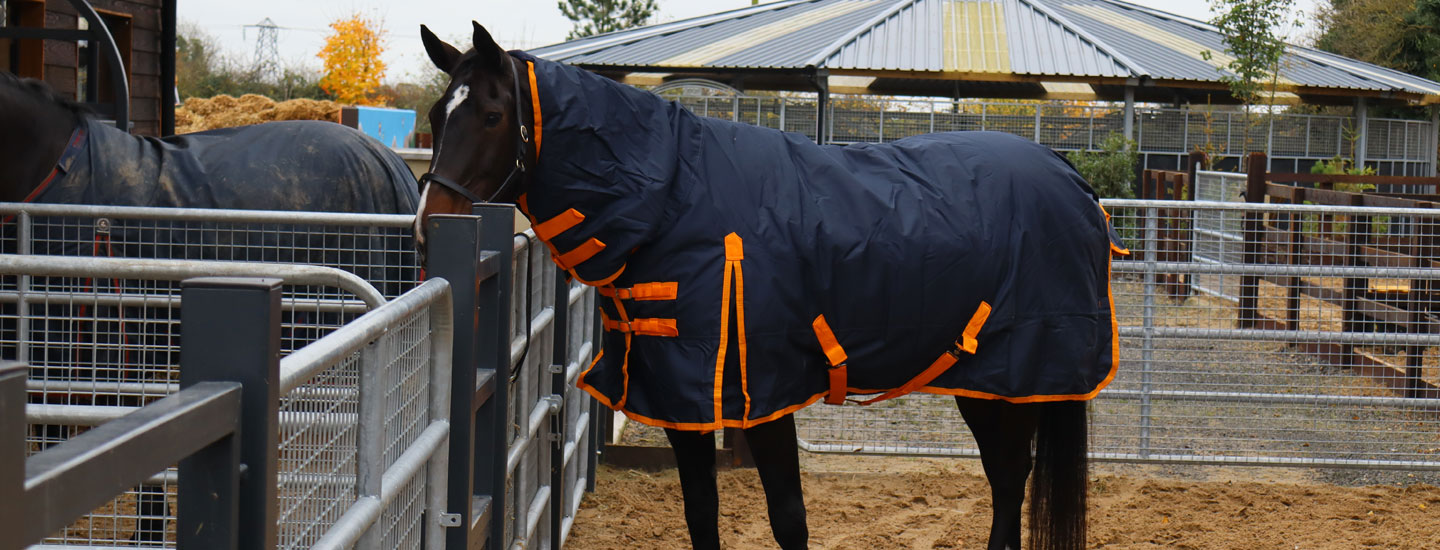

As we move towards November, the colder nights and mornings probably have most of us wearing an extra layer. Does this mean that our horses should too be wearing another layer? For many of us, we are on the fence as to whether to rug or not. In our decision to rug or not too rug, we can’t compare like with like, i.e. humans and horses. One obvious deference between us and our horses is that they have fur coats, and secondly due to the horse size the horse does not lose heat as quickly as we do. So, in a nutshell, at the same temperature the horse will actually feel warmer than we do! If you are unsure Weatherbeeta have a handy guide here.
If you opt to rug at this time of year, it brings its own dilemmas, as the weather changes from day to day – and often hour to hour! You can put a mediumweight on your horse on a chilly morning, and then the sun comes out and the animal becomes too hot. For this reason, its important to take your horse’s rug off everyday to check for sweat marks, as this is an indicator you are over-rugging the animal.
No two horses are the same, and the horse owner is usually the best judge as to whether they animal needs a rug. Young and old horses/ponies are likely to cope less well with the cold. Young horses are smaller and often have less bodyfat and will lose heat more rapidly. Older horses have a reduced ability to control their body temperature and may have lower body fat, possible health problems, reduced digestive efficiency and be less active, which can all contribute to them being more at risk in cold weather. Mature horses should ideally sustain a body temperature of around 38⁰C to avoid any health problems.
Despite the uncertainly of the weather this type of year, there is a variety of reasons why we rug our horses. The first being to keep them warm, if the temperature has changed. For others, it is to keep them clean and dry. If your horse lives out, you want to be able to saddle up and not have to wait for a dry day to ride.
At this time of year, people choose to clip as there is plenty of activities to take part in with your horse. Just because it's coming into winter, doesn't mean we stop competing or hacking. The mechanism whereby horses keep warm is by trapping air between the hairs. This process is called thermoregulation. In the case of a clipped horse, this has a big effect on the ability to retain heat. When the coat gets wet the hairs collapse and less air is trapped leading to faster heat loss.
If you choose to clip, the situation changes for the horse. Many of us clip because it makes our life easier. For example, your horse sweats less and its easier to dry him or her off. With a full coat, if they sweat, it can be hours before they dry off.
Some signs that your horse is cold.
Cold ears
Exposed hairs standing on end
Tense and rigid stance, not resting a foot
Shivering
Tail clamped down
Some important points to consider when choosing an outdoor rug
The temperature. Has it dropped considerably? Is it continuously raining? if so, your horse may feel the cold. If horses get wet, they lose more heat.
Is your horse clipped? If he/she is fully clipped he will need extra warmth and protection and a neck cover.
What type of breed is your animal? Keep in mind that cobs, are much tougher than thoroughbreds and may not need rugging. Some breeds of horses have a very fine skin and coat, such as thoroughbreds This means that they feel the wet and cold more than tougher, hardier breeds of horse. Please keep in mind, that despite the breed, a clipped horse will need a rug to compensate the hair which has been removed.
Younger and older horses are more vulnerable and may need rugging sooner.
Rug Weights
Before you go to purchase a rug for your horse there are three things you need to know: your horses’ measurements, the type of rug you are looking for, and the weight of rug your horse requires. The best advice if you are unsure, is to visit your local tack shop and get advice. Weights can often confuse us.
The filling of the rug is measured in grams to give the weight and the weight tells you how warm the rug is. The higher the grams in the rug, the more insulation, therefore keeping your horse warmer. It is important to look at your horse as an individual when making a decision on what weight is required, as different horses have different requirements.
General Guidelines
Lightweight rugs normally weigh between 0g and 100g
Mediumweight rugs are normally between 150g and 250g
Heavyweight rugs are 300g and upwards
TRI Equestrian Blogs

Applying a Hoof Poultice - Horse Care Guide
Believe it or not, there is evidence that poultices have been used in horses since domestication. They are commonly used in the treatment of hoof abscesses, which are one of the most frequent causes of severe lameness. While abscesses are common, you should always have a vet examine a lame horse. Conditions such as fractures, laminitis, or soft tissue injuries can present similarly, and your vet can provide diagnosis and pain relief. Why Use a poultice Poultices are applied to a horse’s hoof to help relieve infection, reduce inflammation, and protect sensitive areas during healing Wet Poultice: Softens the hoof and helps draw out infection. Dry Poultice: Protects the hoof after drainage and keeps the area clean. materials needed Poultice dressing (e.g., Animalintex) Warm water (for wet poultice) Padding (Softban or cotton wool) Cohesive bandage (Vetwrap) Duct tape Hoof pick Scissors Step-by-Step: Applying a Wet Poultice 1. Prepare your Tape Pad Before lifting the foot, make a strong tape square. Layer strips of duct tape in overlapping rows and in alternate directions to create a durable square (slightly larger than the hoof). 2. Clean the Hoof Pick out dirt and debris with a hoof pick. Make sure the hoof is clean and dry before applying the poultice. 3. Prepare the Poultice Soak the poultice dressing in hot water. Let it cool until warm, not hot. Tip: Use a Tupperware container for soaking. 4. Apply the Poultice Place the poultice directly over the affected area (or sole if location is uncertain). Ensure full contact with the hoof. Ensure that the dull side of the animalintex is placed on the hoof surface with they shiny side facing outwards. 5. Add Padding Wrap Padding around the hoof in a figure-of-eight pattern. Cover the entire hoof and support the poultice. Avoid excessive bulk, but ensure even coverage. 6. Secure with Bandage Apply Vetwrap over the padding using the same figure-of-eight pattern. Do not apply too tight as this can restrict circulation in the foot. Leave a small margin (about 1 inch) of padding visible at the top. 7. Apply the Tape Square Wrap the hoof in the tape square. Fold and secure the tape up around the hoof wall. This creates a durable, waterproof base. Aftercare and Monitoring Change poultice every 12–24 hours. Do not use wet poultice for more than 3 days. Signs of Improvement Sudden reduction in lameness. Presence of black/grey discharge or fluid. Softened area or small drainage tract in the sole or coronet band. when to call the vet again No improvement after 2–3 days Increasing swelling in the leg Persistent heat in the hoof Horse becomes more lame or distressed In this practical step-by-step guide, equine vet Rosie Alcorn explains how to apply a poultice to a horse’s hoof to help treat abscesses, bruising, or inflammation. The article covers how to prepare and clean the hoof, apply the poultice dressing correctly, and secure it with bandaging or tape to keep it in place. Rosie also shares advice on keeping the hoof dry and protected, how often to change the poultice, and what signs to watch for during recovery. The guide is aimed at helping horse owners confidently manage basic hoof care and support healing at home.oultices can ease pain and help draw out infection, supporting your horse’s recovery. Always monitor the hoof closely and change the dressing as needed. If lameness persists or you’re unsure, consult your vet or farrier immediately. Dr Rosie Alcorn BVSc MRCVS PG Cert VPS Cert AVP MRCVS VCI See Product See Product See Product See Product
Read more
Understanding Tapeworms in Horses: What Every Owner Needs to Know
Tapeworm infections are common in horses but often go unnoticed until they cause significant digestive problems. Understanding where tapeworms live, how horses are infected, and using effective testing and treatment can protect your horse’s health. Regular monitoring, especially with the EquiSal test, combined with strategic worming, ensures your horse stays healthy and happy year-round.
Read more
Ariat Unveils the Newly Improved Palisade Boot.
In this blog post, you can explore the newly enhanced ariat palisade boot.
Read more
Your cart
0
Your cart is currently empty.
Check out our top collections below:


- Choosing a selection results in a full page refresh.
- Opens in a new window.